
Line 1, Line 2Near City Hall Stn.Service Comparison
Seoul Subway Coin LockersStation-by-Station Guide and Alternatives
A practical guide to Seoul subway coin lockers. Sizes, payment, and real-world limits at key stations like Seoul Station, Myeongdong, Hongik Univ., and DDP, plus an alternative from ₩4,500 per bag per day when lockers are full or your suitcase is too big.
14 luggage storage stores in Seoul
From ₩4,500/day per bag · Covered by LIT
Dongdaemun · City Hall


Hongdae · Yeonnam
 Reserve
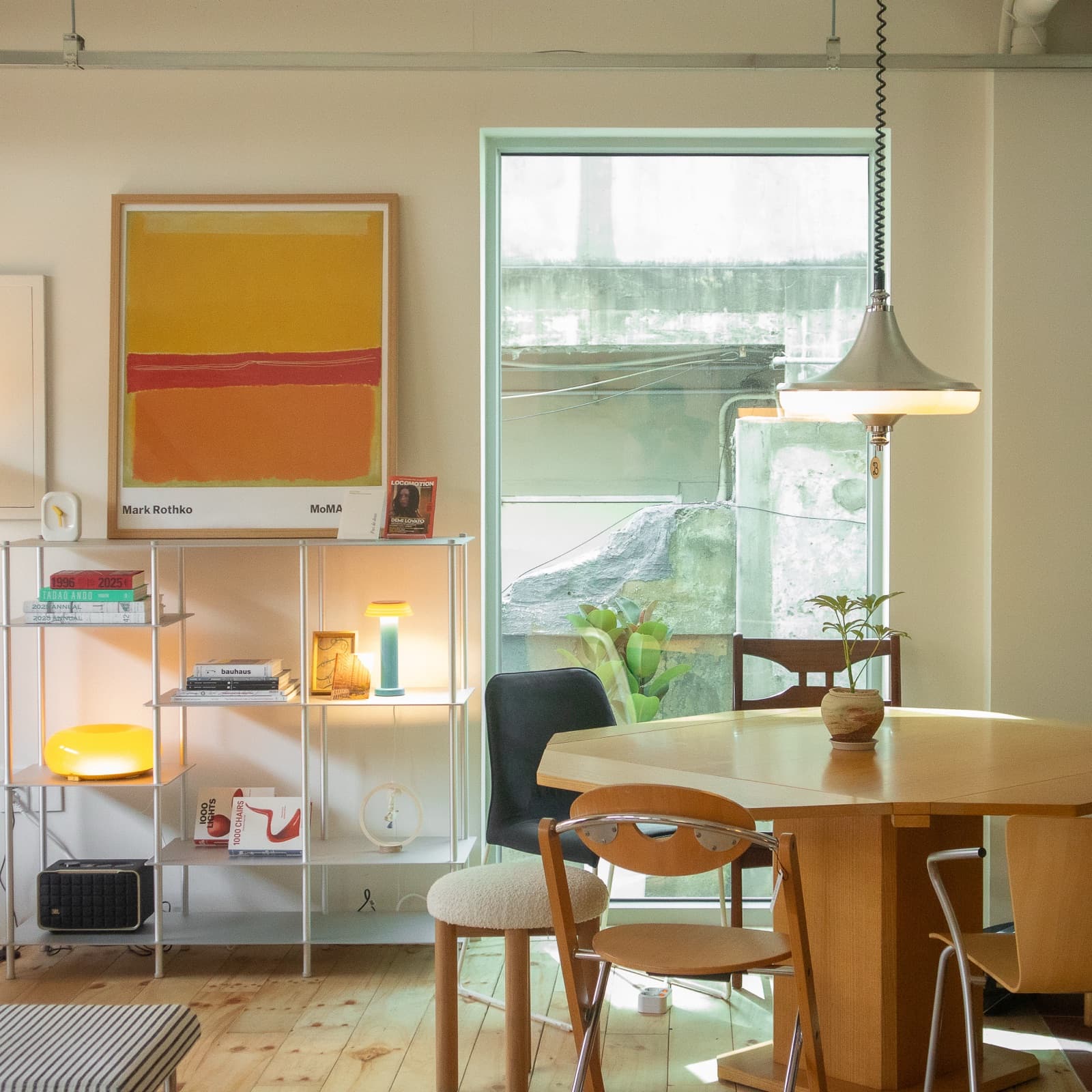
Sideway
Yeonnamdong, Hongdae · 2 min walk from Gyeongui Line Forest Trail (Yeonnamdong)
 Reserve
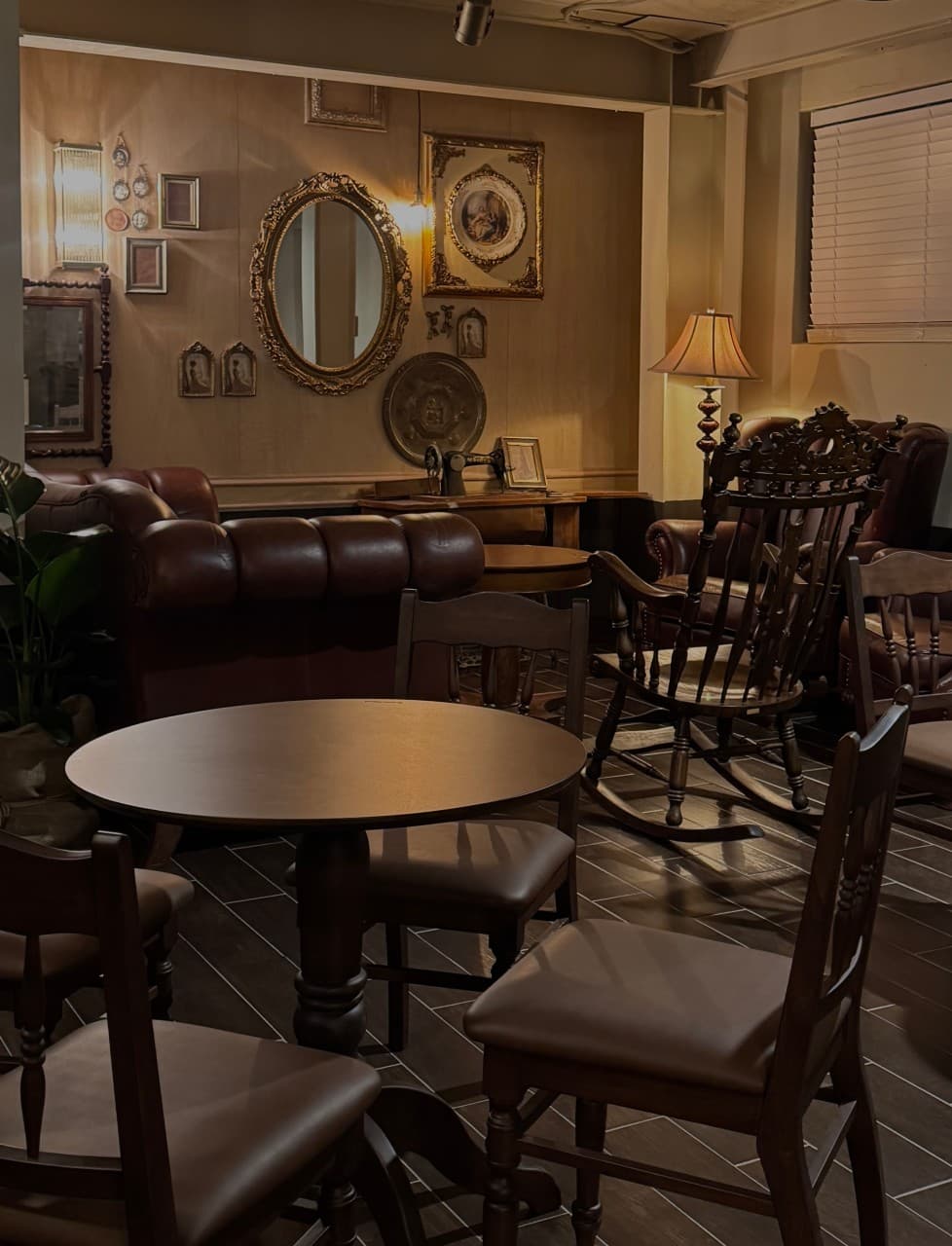
Youngboss
Hongdae · 3 min walk from Sangsu Station (Line 6)
 Reserve
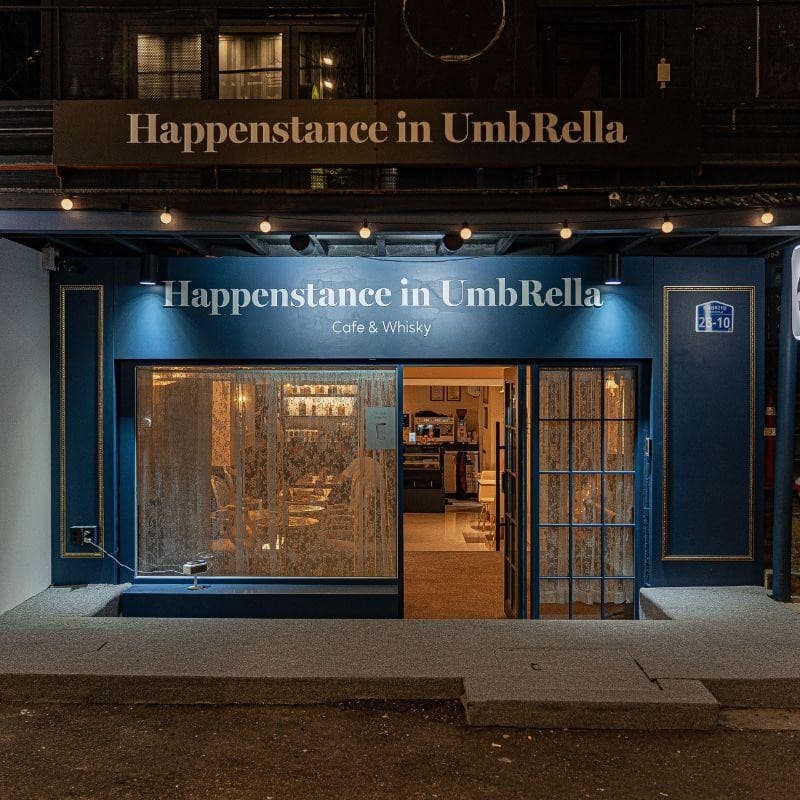
Hapenstance in Umbrella
Open 24hHongdae · 7 min walk from Hongik Univ. Station (Lines 2·Gyeongui-Jungang·AREX)
 Reserve
Vanguard Barbershop & Men's Hair Hongdae
Hongdae · 5 min walk from Hongik Univ. Station (Line 2·AREX)
 Reserve
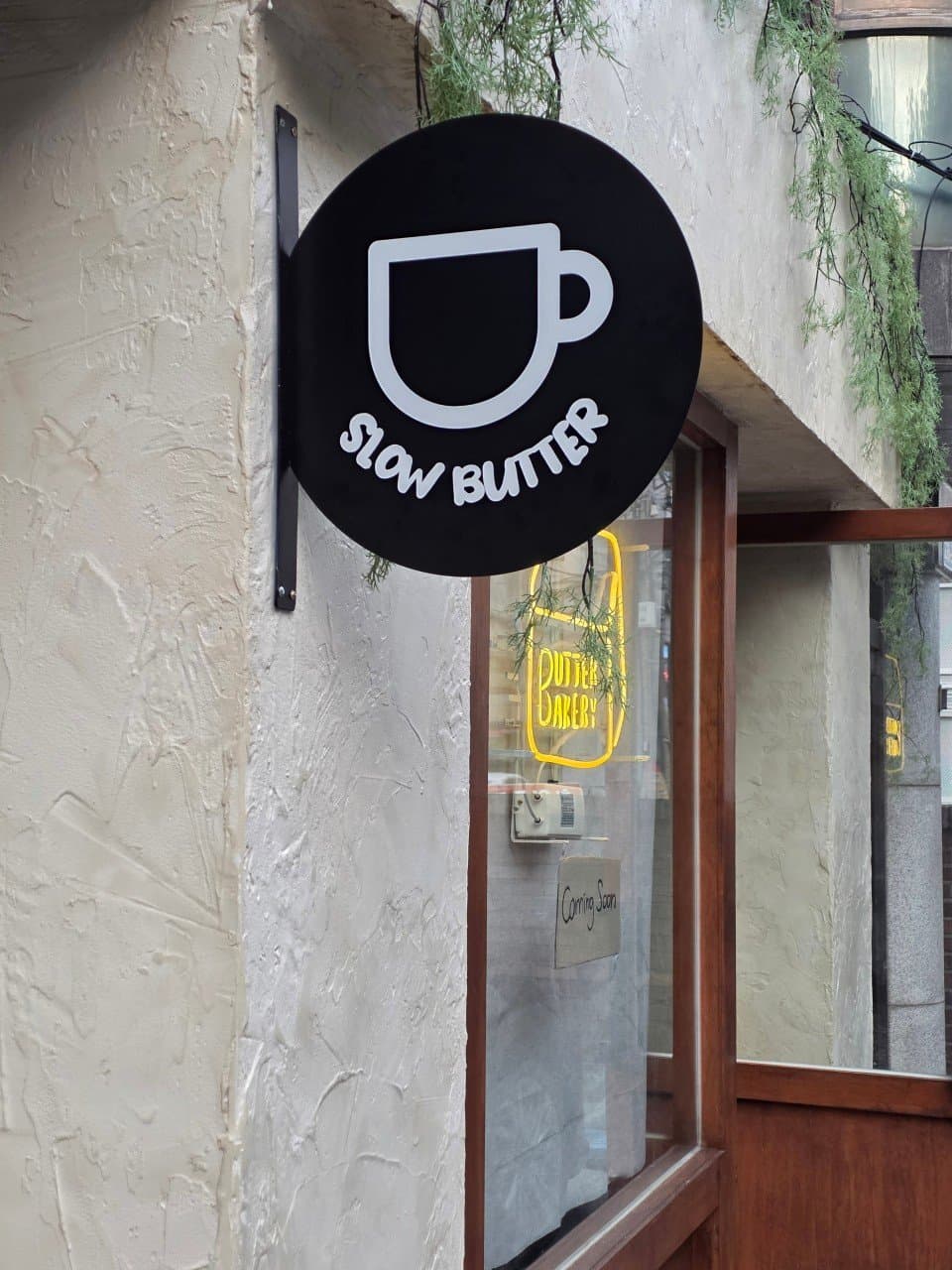
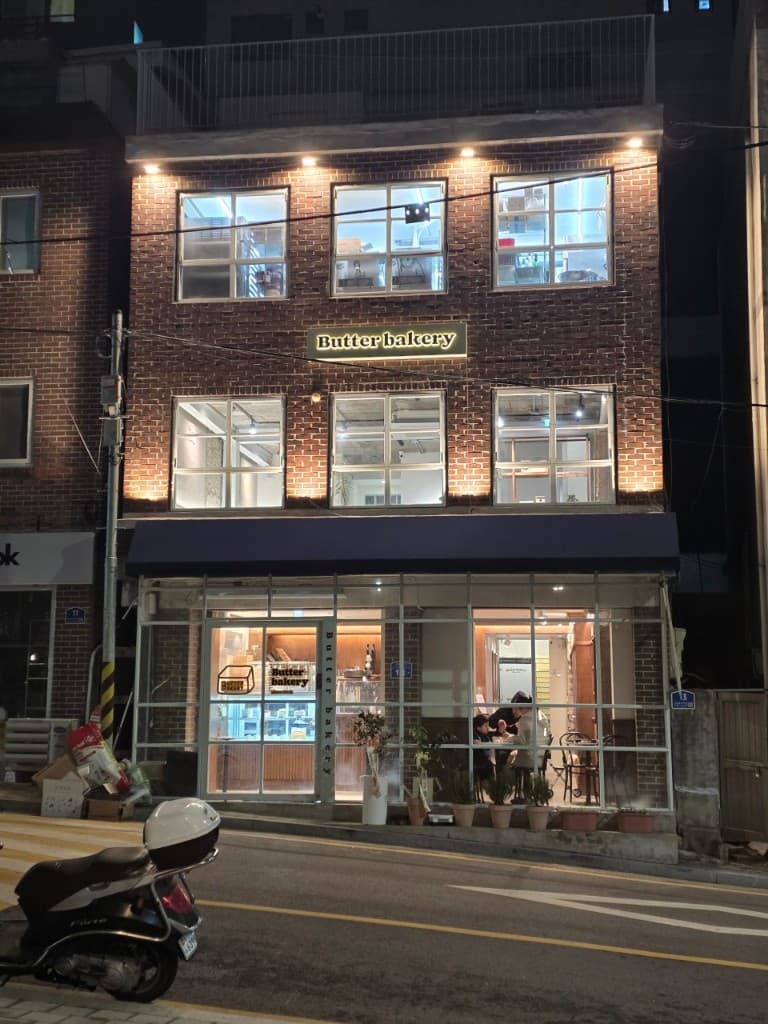
Slow Butter
Yeonnamdong, Seoul · 2 min walk from Hongik Univ. Station (Line 2·AREX·Gyeongui) Exit 3
 Reserve
Butter Bakery Ahyeon
Ahyeon, Seoul · 7 min walk from Ewha Womans Univ. Station (Line 2)
Mangwon
Myeongdong · Euljiro
Sinsa · Garosugil
Seongsu

- 1) Choose
- 2) Reserve
- 3) Drop & go
Key facts
- Coin lockers suit small bags for short periods, but are limited for large suitcases or long storage
- Seoul Station, Myeongdong, Hongik Univ., and DDP often fill up on weekends and peak season
- Rates vary by station/size/time (usually time-based), so check the locker screen
- Alternative when lockers are full, bags are large, or you want coverage: LIT from ₩4,500 per bag per day, pre-bookable, covered by LIT up to ₩500,000
At a Glance
Major Seoul subway stations have automated lockers, handy for a quick drop of a small bag. But the boxes are fixed sizes, so large suitcases often don't fit, and busy stations like Seoul Station, Myeongdong, and Hongik Univ. are frequently full on weekends and in peak season.
Rates vary by station, size, and duration, usually charged on a time basis for the smallest size. This guide covers how lockers work, the situation at major stations, and their real-world limits, plus when a locker is the right call versus another option.
When lockers are full or you need to store a 32-inch suitcase, a bookable storage service is the alternative: LIT (Life is Travel) starts at ₩4,500 per bag per day (S ₩4,500 · M ₩6,000 · L ₩8,000, compensation up to ₩500,000 included).
How Coin Lockers Work
Most lockers use a touchscreen and work similarly, but fees and payment methods differ by location, so follow the on-screen instructions.
- Size: usually small/medium/large boxes; even a large box may not fit a suitcase over ~28–29 inches.
- Payment: many take transit or credit cards, but older units are cash-only, so keep small change handy.
- Charging: varies by station and size; a time-based rate is common. Multi-hour or multi-day storage can add up.
- PIN/QR: don't lose the code or QR issued at drop-off, so take a screenshot.
Station-by-Station Notes
Here's a general picture of the stations travelers use most. Placement and box counts change often, so check station maps or an app too.
- Seoul Station: A KTX and AREX interchange, so locker demand is very high. Large boxes fill up especially fast.
- Myeongdong Station: Packed with shopping tourists; hard to find a free box on peak-season weekend afternoons.
- Hongik Univ. Station: An AREX/Line 2/Gyeongui-Jungang interchange with heavy foot traffic, often full Friday to Sunday.
- Dongdaemun History & Culture Park Station: DDP and mall crowds mean fierce competition for large boxes.
- Gangnam, Jamsil, etc.: Business and tourist demand overlap, so availability swings by time of day.
Real-World Limits of Coin Lockers
Lockers are convenient but have clear limits for travelers. Knowing them helps you decide when to switch to an alternative.
- Size cap: big items like a 32-inch suitcase, golf bag, or stroller often won't fit at all.
- Full-locker risk: no pre-booking, so if there's no free box you're stuck hunting other stations.
- Payment friction: cash-only lockers block you if you have no small change.
- No compensation: little or no coverage for loss or damage.
- Hours: tied to subway operating hours, so late-night or early-morning retrieval is hard.
When Lockers Are Full or Bags Are Big: the LIT Alternative
When lockers are full or you're storing something large, dropping bags at a partner store is the practical alternative. LIT lets you pre-book, so there's no availability worry on peak weekends, and with virtually no size limit it takes large suitcases.
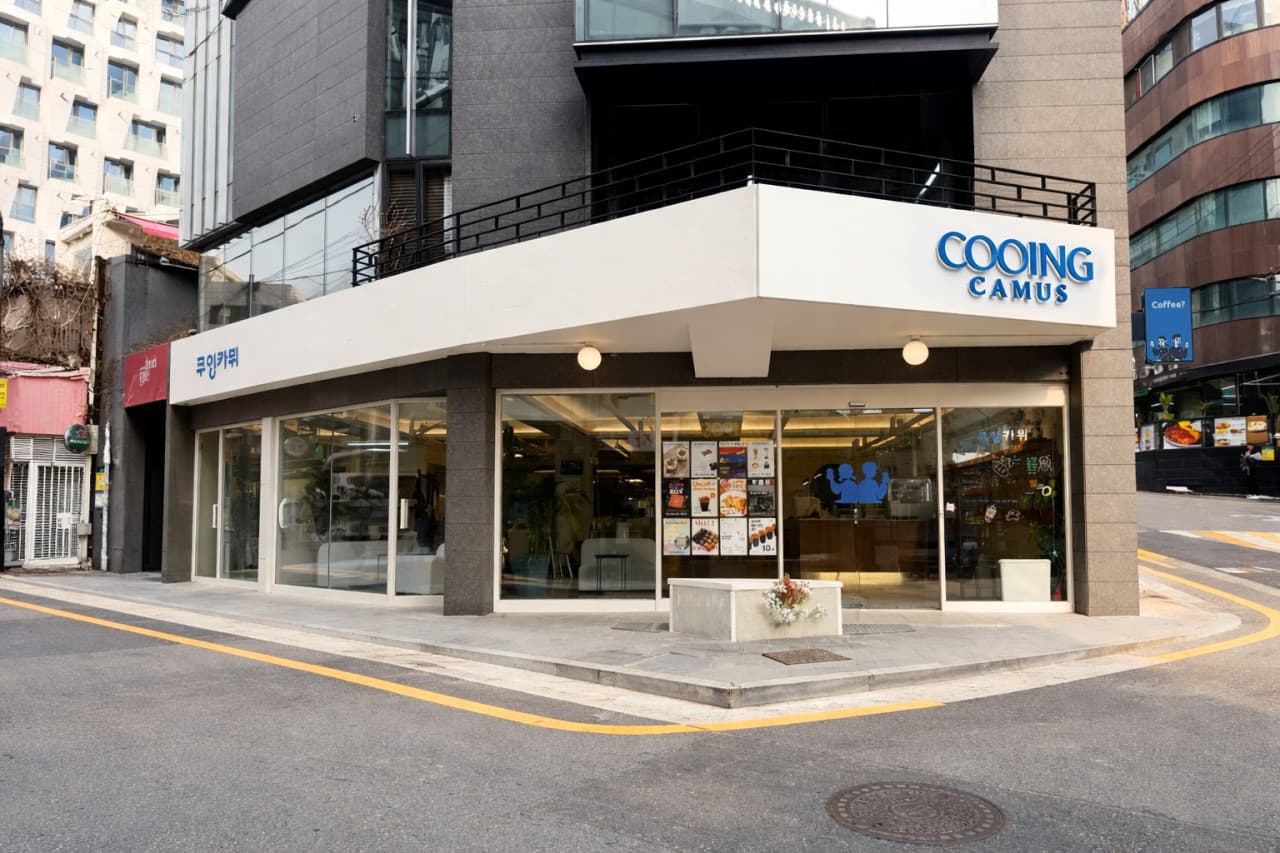
In Seoul you can pick a store near the sights on the map: Dongdaemun (Bean Mamapapa), City Hall (Hoduga), Hongdae (Hapenstance in Umbrella), Seongsu (Unlign), Sangsu (Youngboss), Sinsa (Cooing Camus). Loss & damage cover up to ₩500,000 is included.
When to Use Which
These aren't rivals so much as tools for different situations. Pick by the criteria below.
- Coin lockers win: a small bag for just 1–2 hours, at a station and time when lockers are free.
- Storage service wins: large suitcases, all-day or multi-day storage, peak season and weekends, when you want a guaranteed spot via booking, or when you need compensation.
- Mix and match: use lockers for short waits mid-transit and a storage service for full-day sightseeing to balance cost and convenience.
Checklist Before Using a Coin Locker
A few quick checks save you from getting stuck at the locker. Confirm these before storing to avoid wasted time and surprises.
- Bag size: judge whether your suitcase's width, depth, and height will fit the box. If in doubt, consider a large box or a storage service.
- Payment: check whether transit/credit cards work; if not, whether you have cash change.
- Duration: estimate the running cost based on how long you'll store. For all-day or multi-day, a flat per-day service may be cheaper.
- Retrieval time: make sure you can collect within subway/station operating hours (watch for late-night limits).
- PIN/QR: screenshot the code issued, and note the locker location (line, exit, number).
Alternatives Beyond Coin Lockers
Station lockers aren't the only option. Depending on the situation, other storage or delivery methods can smooth your route.
Rates and hours can change, so confirm before use.
- Storage services (like LIT): drop bags at cafes/stores. Strong on pre-booking, large bags, and compensation up to ₩500,000. From ₩4,500 per bag per day.
- Hotel/guesthouse front desk: if you're a guest, many offer free storage before check-in and after check-out.
- Department store/mall storage: handy for a brief drop while shopping, but hours and locations are limited.
- Luggage delivery: ships bags between hotel and airport, so you avoid hauling large bags, but confirm cut-off times and fees.
Frequently Asked Questions
Will a large suitcase fit in a Seoul Station coin locker?▾
Even large boxes may not fit a 32-inch suitcase, and Seoul Station's large boxes fill up fast. For big bags, a storage service with virtually no size limit and pre-booking is safer. LIT starts at ₩4,500 per bag per day.
Find a store on the mapHow much do coin lockers cost?▾
Rates vary by station, box size, and duration, usually charged on a time basis for the smallest size. Check the locker screen for the exact amount. Multi-hour or multi-day storage can add up, so a flat per-day storage service is often cheaper.
Find a store on the mapWhat do I do when lockers are full?▾
Try lockers at a nearby station, or use a bookable storage service. LIT lets you pick a store near the sights on the map and book ahead, so there's no full-locker worry.
Find a store on the mapAre bags covered for loss or damage in a coin locker?▾
Coin lockers offer little or no loss/damage compensation. If you need coverage while your bags are stored, a storage service with included loss & damage cover up to ₩500,000 is safer.
Find a store on the mapUntil what time can I use a coin locker?▾
Coin lockers are tied to subway operating hours, so use is generally limited around the last train. If you need to retrieve bags late at night or early morning, you may be locked out. If you need late pickup or plan to collect the next day, a storage service that allows next-day pickup within store hours is more flexible.
Find a store on the map