
Travel Guide
Korea Travel Packing TipsHow to Travel Light
Practical tips for packing light in Korea. Seasonal essentials, how to leave room for shopping, general carry-on rules, and using in-city storage (from ₩4,500 per bag per day) to lighten your route before check-in, after check-out, and on day trips.
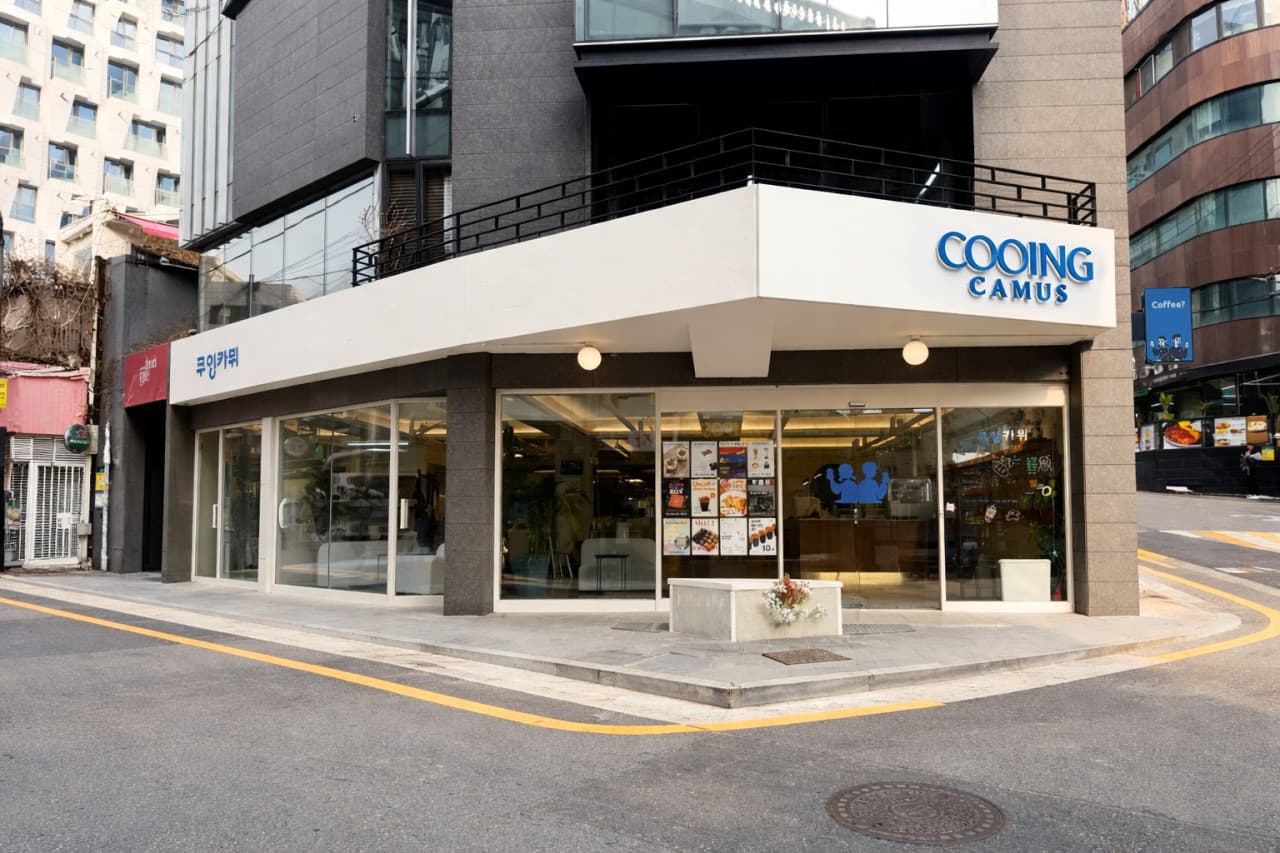
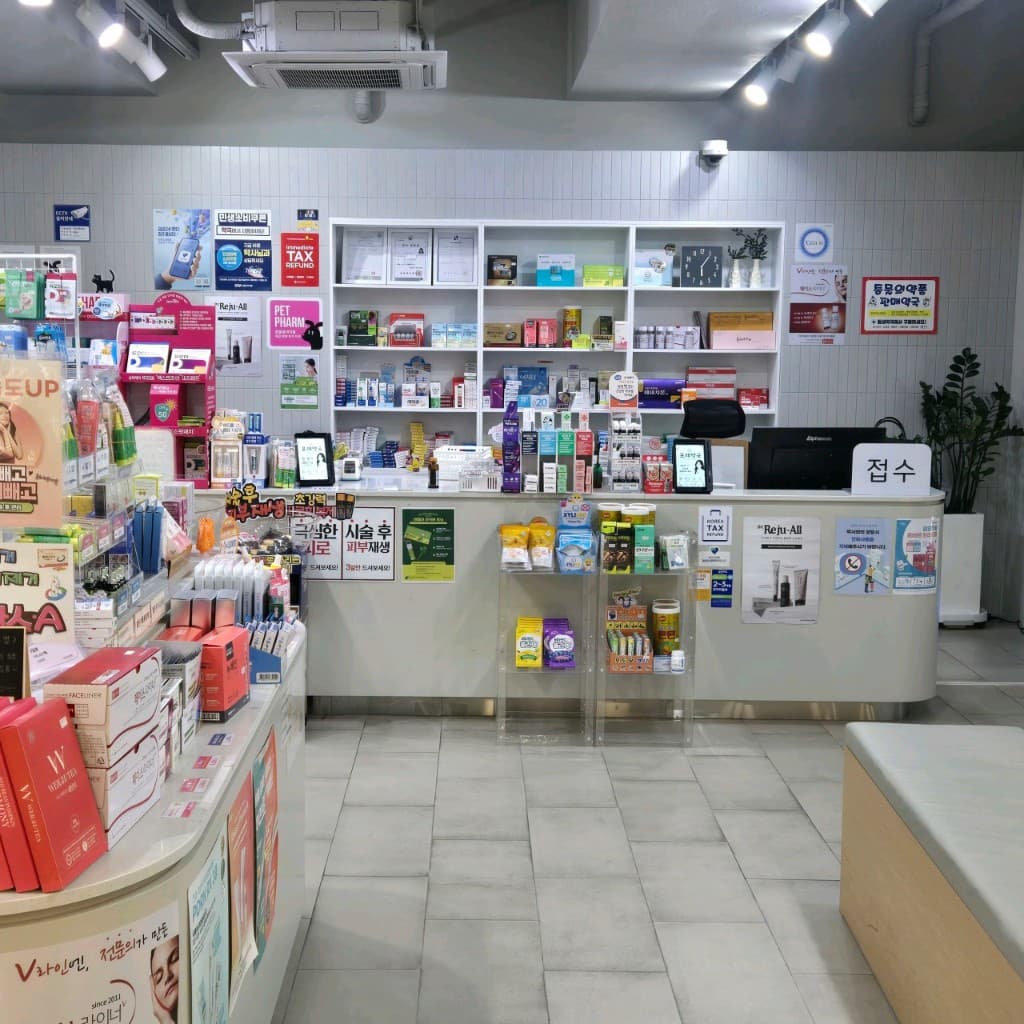
14 luggage storage stores in Seoul
From ₩4,500/day per bag · Covered by LIT
Dongdaemun · City Hall


Hongdae · Yeonnam
 Reserve
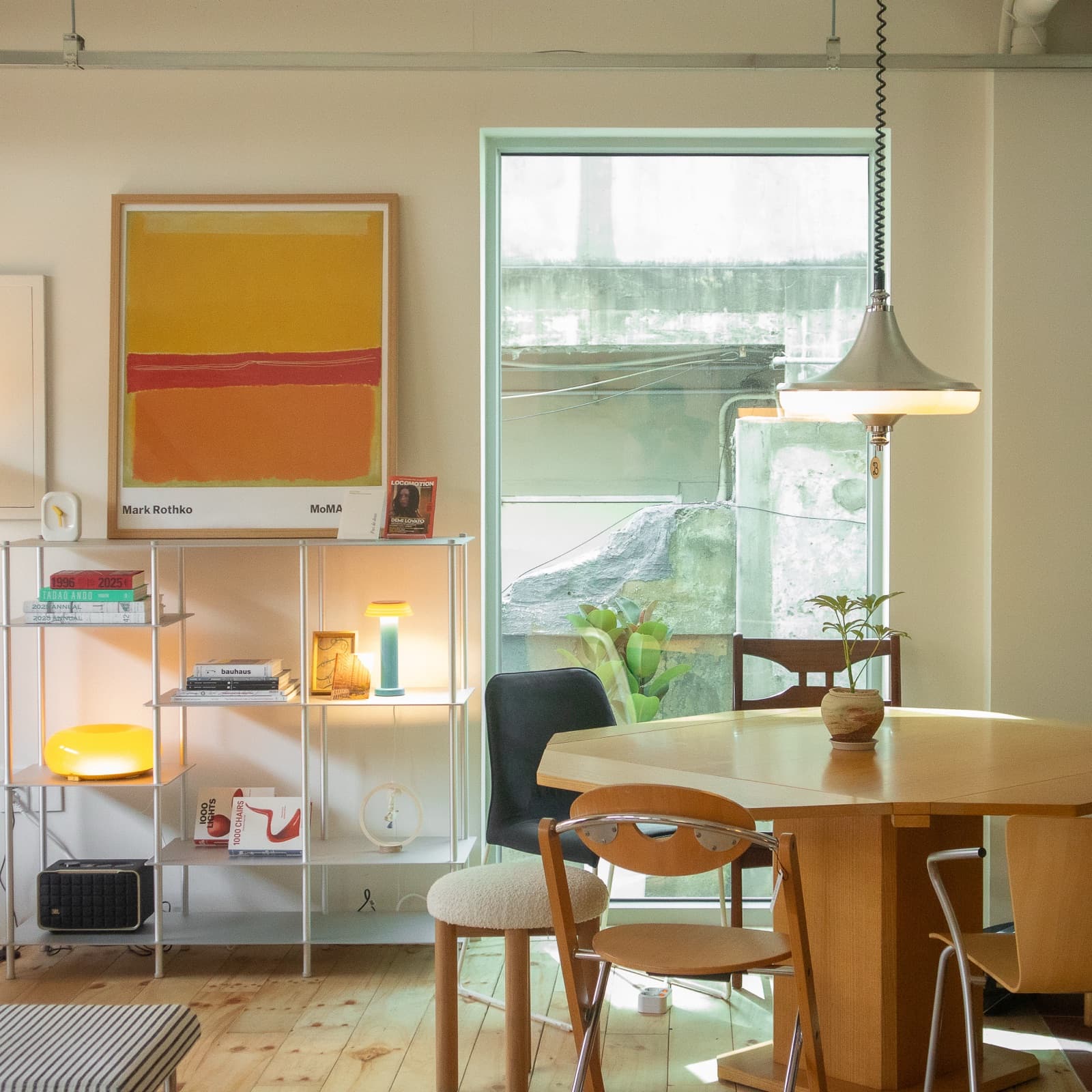
Sideway
Yeonnamdong, Hongdae · 2 min walk from Gyeongui Line Forest Trail (Yeonnamdong)
 Reserve
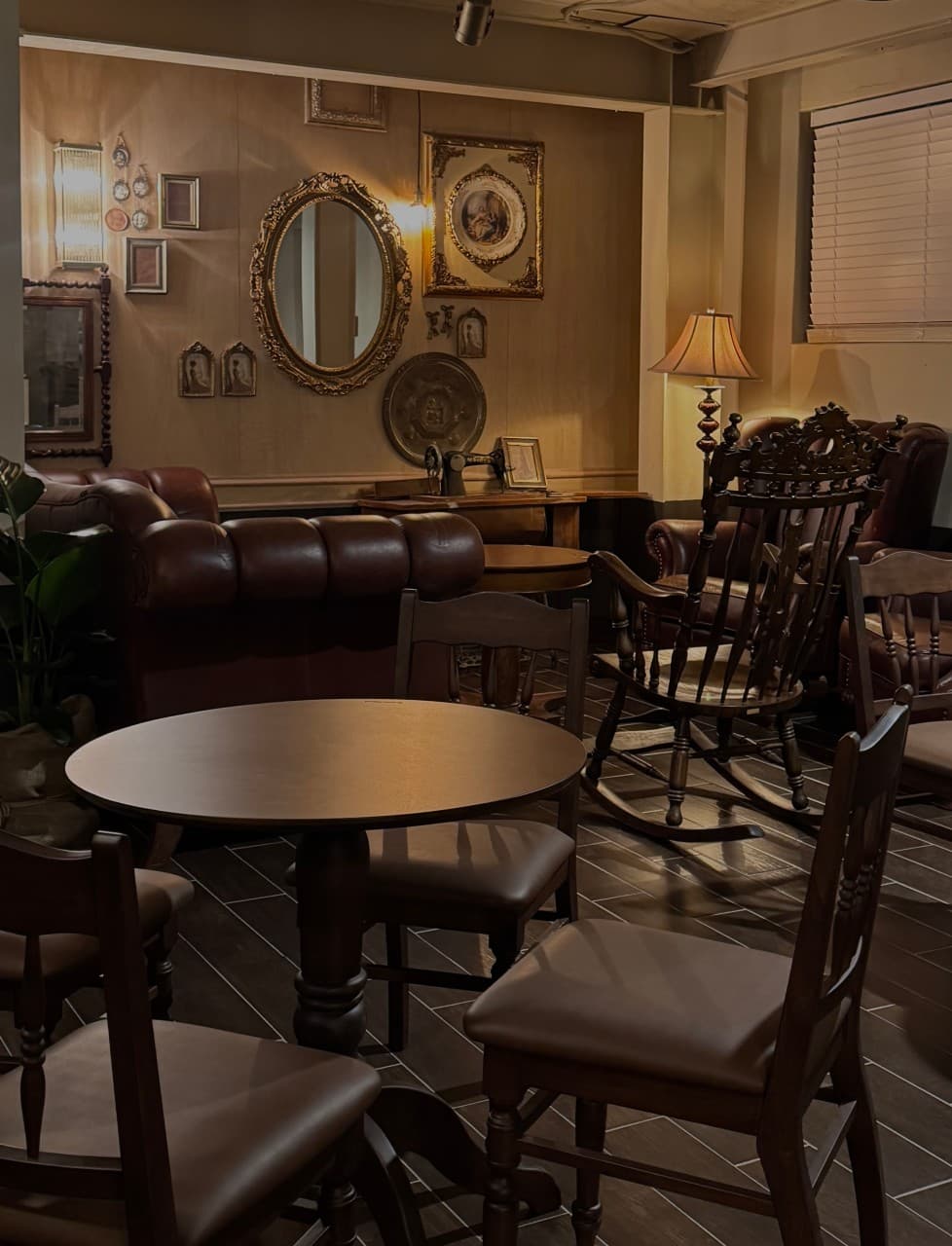
Youngboss
Hongdae · 3 min walk from Sangsu Station (Line 6)
 Reserve
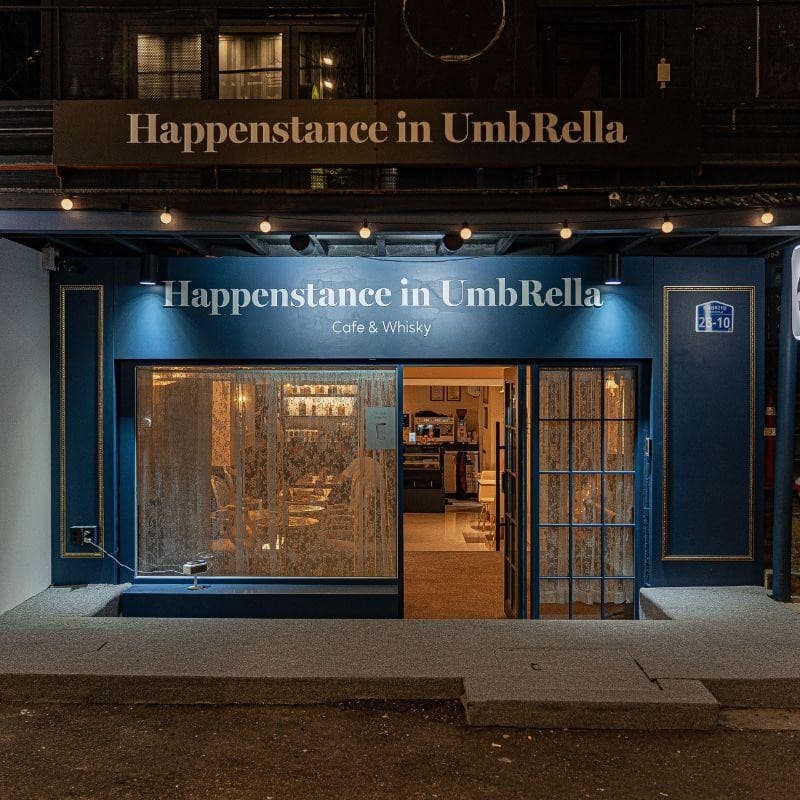
Hapenstance in Umbrella
Open 24hHongdae · 7 min walk from Hongik Univ. Station (Lines 2·Gyeongui-Jungang·AREX)
 Reserve
Vanguard Barbershop & Men's Hair Hongdae
Hongdae · 5 min walk from Hongik Univ. Station (Line 2·AREX)
 Reserve
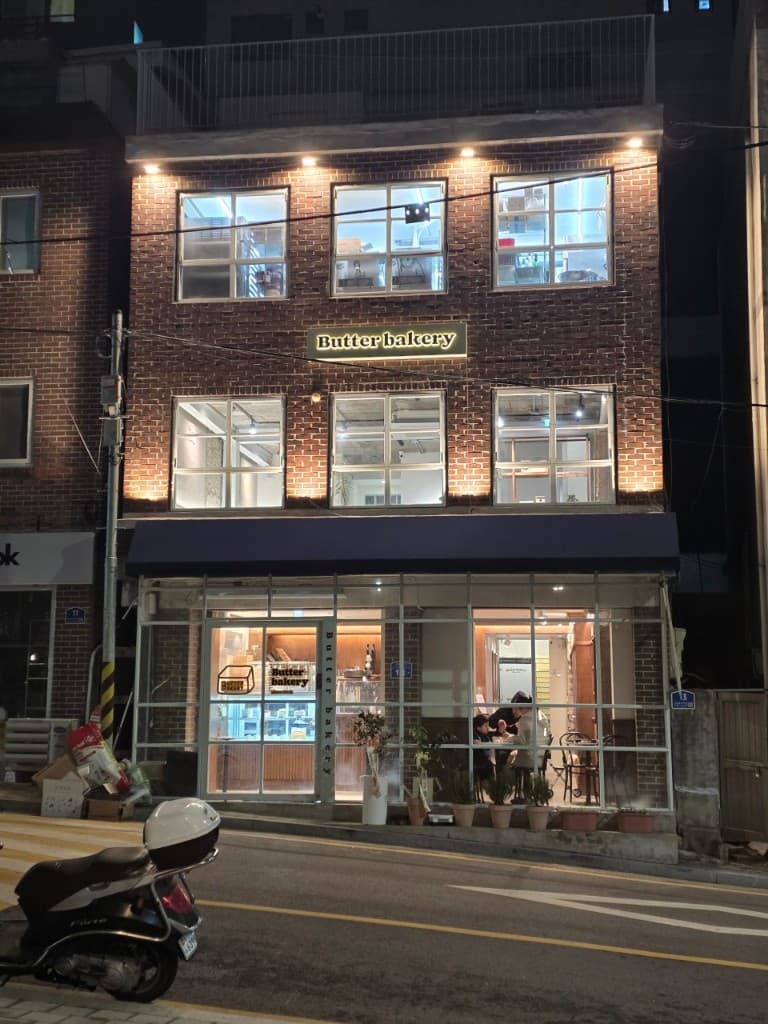
Slow Butter
Yeonnamdong, Seoul · 2 min walk from Hongik Univ. Station (Line 2·AREX·Gyeongui) Exit 3
 Reserve
Butter Bakery Ahyeon
Ahyeon, Seoul · 7 min walk from Ewha Womans Univ. Station (Line 2)
Mangwon
Myeongdong · Euljiro
Sinsa · Garosugil
Seongsu
- 1) Choose
- 2) Reserve
- 3) Drop & go
Key facts
- Rotate 3–4 days of clothes + leave 20–30% of the suitcase for shopping
- In-city storage helps at three moments: before check-in, after check-out, and on day trips
- In-city storage with LIT: from ₩4,500 per bag per day, loss & damage covered by LIT up to ₩500,000
- Carry-on details vary by airline and route, so check official guidance
At a Glance
Traveling light in Korea comes down to three things: pack only what the season needs, leave room from the start for shopping that will grow your load, and stash heavy bags mid-route while you move and sightsee. Those awkward moments (before check-in, after check-out, on a day trip) are exactly when a nearby store saves your day.
LIT (Life is Travel) stores bags from ₩4,500 per bag per day (S ₩4,500 · M ₩6,000 · L ₩8,000, loss & damage covered by LIT up to ₩500,000).
Packing by Season
Korea has four distinct seasons, so your kit changes with the calendar. Minimizing bulky clothes is where light packing starts.
- Spring/Autumn (Mar–May, Sep–Nov): big day-night temperature swings, so pack thin layers plus one light jacket rather than a bulky coat.
- Summer (Jun–Aug): hot, humid, and rainy. Bring breathable clothes, an umbrella or light rain poncho, and a thin cardigan for heavy indoor A/C.
- Winter (Dec–Feb): wear the heavy coat on the plane; pack thin thermal layers, gloves, and a scarf, and limit yourself to one bulky padded jacket.
- Always: use compression bags or roll clothes to cut bulk, and keep shoes to two pairs or fewer.
Leave Room for Shopping
In Korea, cosmetics, clothing, and souvenir shopping take up a big share of a trip, so your load visibly grows on the way home. Planning for it from the start avoids wasting money on an extra bag.
- Leave 20–30% of your suitcase empty from the start, packing on the assumption you'll fill it later.
- Bring one foldable tote so you can split the extra load for the flight home.
- Minimize bulky consumables (toiletries) with travel-size containers.
- On heavy shopping days, drop your bags at a nearby store before heading back so you can keep your evening plans light.
Lighten Your Route with In-City Storage
How you pack matters, but so does where you leave your bags while moving. Use in-city storage at the three moments when a suitcase is in the way and your whole day gets lighter.
- Before check-in: arrive in the morning and drop bags at a nearby store until check-in (usually 3 PM), then start your first stop.
- After check-out: after a morning check-out, store bags until an evening flight or train and enjoy your last round of sightseeing and shopping.
- Day trips: on a Seoul-and-back day trip, leave your suitcase near the departure station and travel unburdened.
- Using LIT: pick a store near the sights on the map, pre-book, and check in with a QR code in a minute. From ₩4,500 per bag per day, compensation up to ₩500,000 included.
Carry-On Rules: General Principles
Packing light backfires if you trip over carry-on rules. Details differ by airline and route, so always confirm your airline's official guidance, but the general principles are:
- Liquids typically go in containers of 100 mL or less, gathered in a clear zip bag (confirm volume/count limits with your airline).
- Power banks and lithium batteries go in your carry-on, not checked luggage.
- Carry-on bags have size and weight limits, and low-cost carriers can be especially strict.
- Sharp items like knives and scissors, and some foods, may be restricted, so check in advance.
Pack-Light Checklist
A last check before you leave. Cutting anything you can simply buy on-site is the surest way to slim your bag.
- Plan 3–4 days of clothes on rotation, and consider local laundry or coin laundromats
- Consolidate chargers/adapters into one multi-standard unit (Korea is 220V, Type C outlets)
- Decant medicines and toiletries; buy larger sizes locally
- Keep room and a spare bag for the extra load on the way home
- Pre-book a store to stash bags on travel days
Easy-to-Forget Essentials
Cutting bags matters, but so does packing the things that are essential yet easy to forget. These are the items travelers to Korea most often miss, weighted toward things that cost extra time and money to replace in a hurry on-site.
- Power adapter: Korea uses 220V, Type-C (round two-pin) outlets. Bring an adapter that fits your devices' plugs.
- Transit/payment: a transit card (e.g., T-money) and a card that works abroad. A little cash is also handy at coin lockers and traditional markets.
- Medicine: familiar painkillers, antacids, band-aids. Bring enough prescription meds, ideally with an English prescription copy.
- Power bank: maps and translation apps drain batteries fast. Always carry it in the cabin (not checked).
- Weather gear: one seasonal item — a summer umbrella, winter hand warmers, or a light jacket for shoulder season.
Carry-On vs Checked: What Goes Where
Splitting your bags into 'carry-on' and 'checked' saves airport hassle. The rule is simple: anything fragile, valuable, or required to be in the cabin goes in your hands; anything bulky or required to be checked goes in the suitcase.
Details vary by airline and route, so always confirm official guidance.
- Carry-on: valuables like passport/cash/cards, power banks and lithium batteries, laptop/camera, medicine, one change of clothes.
- Checked: liquids/gels over 100 mL, large cosmetics, shoes and heavy clothes, bulky souvenirs.
- Note: power banks can't be checked (cabin only). Only liquids of 100 mL or less in the cabin; larger ones go checked.
- Tip: put the bare minimum for your first day (toiletries, a change of clothes) in your carry-on in case checked bags are delayed.
Frequently Asked Questions
How much should I pack for a trip to Korea?▾
Aim for 3–4 days of clothes on rotation, cut bulk with compression bags, and leave 20–30% of your suitcase empty for shopping. Adjust only the outer layers and thermals by season.
Find a store on the mapMy bags will grow from shopping. How do I prepare?▾
Leave room in your suitcase and bring one foldable tote to split the extra load for the flight home. On heavy shopping days, drop your bags at a nearby store (from ₩4,500 per day) and keep your evening light.
Find a store on the mapThere's a gap between check-out and my flight, and my bags are a burden.▾
Drop them near your accommodation, your last stop, or the departure station, and enjoy your final half-day bag-free before collecting them to leave. LIT offers pre-booking, 1-minute QR check-in, and included loss & damage cover up to ₩500,000.
Find a store on the mapWhere do I check carry-on rules?▾
General principles like the 100 mL liquids rule and carrying power banks in the cabin are largely universal, but size, weight, and count limits vary by airline and route. Always confirm with your airline's official guidance.
Find a store on the mapWhat power adapter do I need for Korea?▾
Korea's outlets are 220V, Type-C (round two-pin, European style). If your devices' plugs differ, bring a travel adapter. Most laptop and camera chargers auto-adjust voltage, so you only need to match the plug shape, but some small appliances may need a transformer, so check the device's label.
Find a store on the map